The Foundling Hospital
This post comes from my newsletter. Interested in subscribing?
In August, we took a family vacation to London. Since we have visited there before, we opted for more unusual stops. I write Regency stories, so I chose the Foundling Museum as a stop. I had not heard of it before. The museum just happened to be around the corner from where we were staying. It proved an emotional visit.
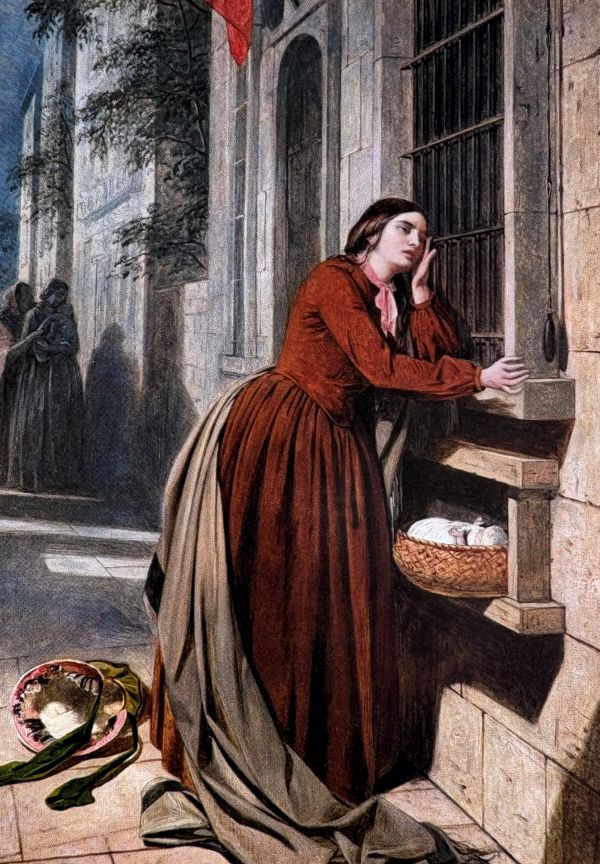
Founded in the 1700s, the Foundling Hospital took in babies at risk of abandonment which was a real issue at the time. There were a multitude of reasons for women not to be able to care for their babies. Sudden widowhood, abandonment by their partners (either a spouse or a seducer), loss of employment, and health issues. She might simply have too many children to care for.
Philanthropist Thomas Coram rallied the rich and the artistic to give money to his cause. Handel, the composer, and Hogarth, the illustrator/artist, helped make it fashionable to support this charitable cause.
Painting on left: Henry Nelson O’Neil, A Mother Depositing Her Child at the Foundling Hospital in Paris, c1855.
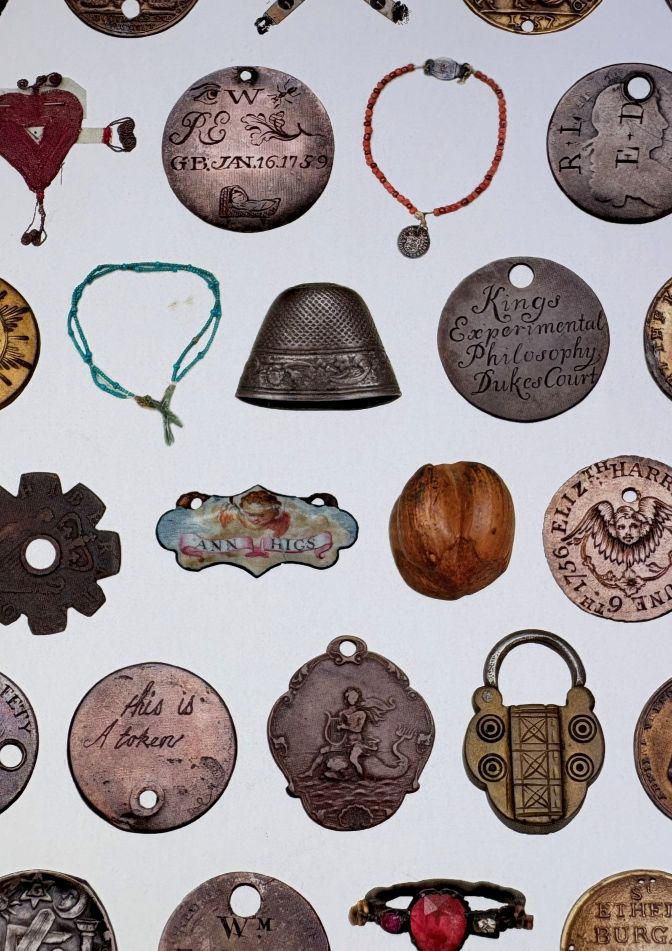
The tokens (content warning for heart-wrenching).
During its early years, a mother (or father! Widower fathers or ones whose work prevented them from keeping the child) would leave a token with the child’s paperwork. The idea being when the mother came again to claim the child, she could correctly be identified as the child’s mother.
Reunification rarely happened. There is a MASSIVE wall in the museum displaying these tokens of a mother’s wish to return and claim her child. It is impossible not to tear up as your eyes sweep over them.
Mothers also received a note from the Hospital stating they had surrendered their child to prevent them being tried for child murder. The local authorities may have noted they were pregnant and then suddenly returned home without a baby.
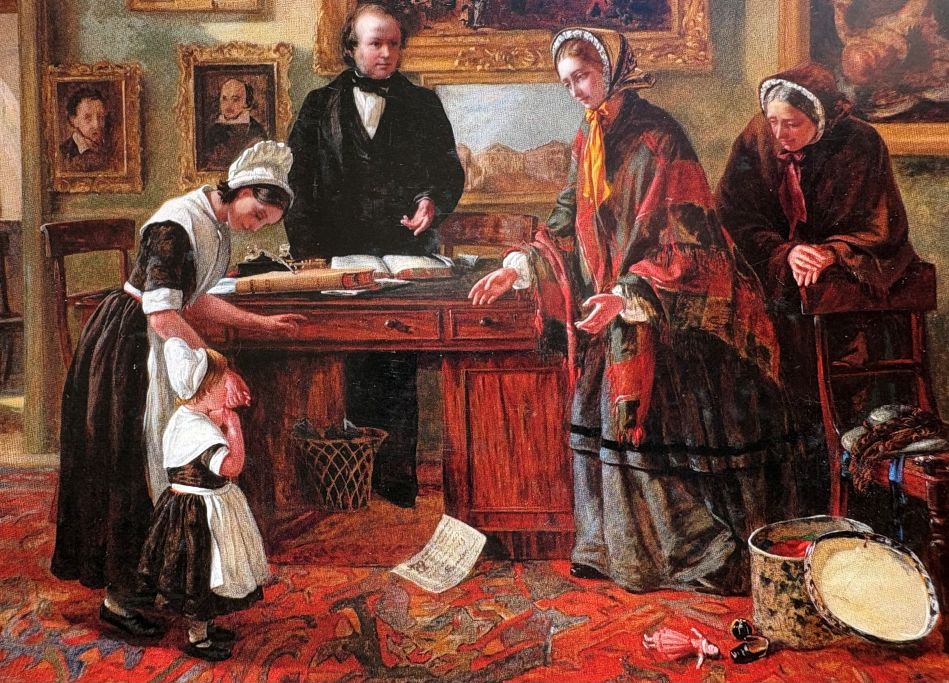
Painting: Emma Brownlow, The Foundling Restored to its Mother, 1858.
There were reunions. The museum warns they are too sentimentalized (like this painting). After years apart, such reunions were difficult for both mother and child.
I’m tempted to write stories of foundlings growing up and venturing out into the world having grown up in this setting.
A chatty docent spoke of how WELL the children were cared for in the first 100 years. They were educated and helped to find employment.
In several cases, when the ex-foundlings encountered difficult work conditions, they wrote to the hospital about their situation (hooray for education in an era when few knew how to read & write).
The hospital directors came and whisked them out of abusive or difficult situations.
Dr. Kate Lister who researches sex workers throughout history
recently did an Instagram Post about the Foundling Museum.
Click the button above to see her post.
New Release!
The hunt for a missing jewel brings two lovers together.
Oliver Sexton-Brown returned to England from the West Indies, dealing with more than the scars of war. This one-legged man discovers an enchanted cottage hidden in the woods. Its occupant is neither fairy nor witch, but the poor niece of local gentry. Oliver likens her to an otherworldly creature.
Sarina Gibbins came to Gloucestershire expecting help. Instead, her aunt pushed her from comfort into hardship. Sarina fears losing her respectability and, above all, her home. She sews to earn her keep while mourning her brother, lost at sea. Oliver overcomes the grief of his missing limb by helping her sew.
The mystery of the Gibbins family’s missing heirloom ruby rears its head. Solving the mystery means both of them must work through their grief, deal with betrayal, and confront a blackmailer.
Loosely based on the Elves and the Shoemaker fairy tale and dedicated to fans of Georgette Heyer’s The Talisman.
Book Five in the Bedroom Eyes Series.
I’m participating in MFRW Book Hooks—browse the current hop here:
https://airtable.com/appvKrW9skkDjJe1n/shrqsbVq9LOioYMUD

Leave a Reply